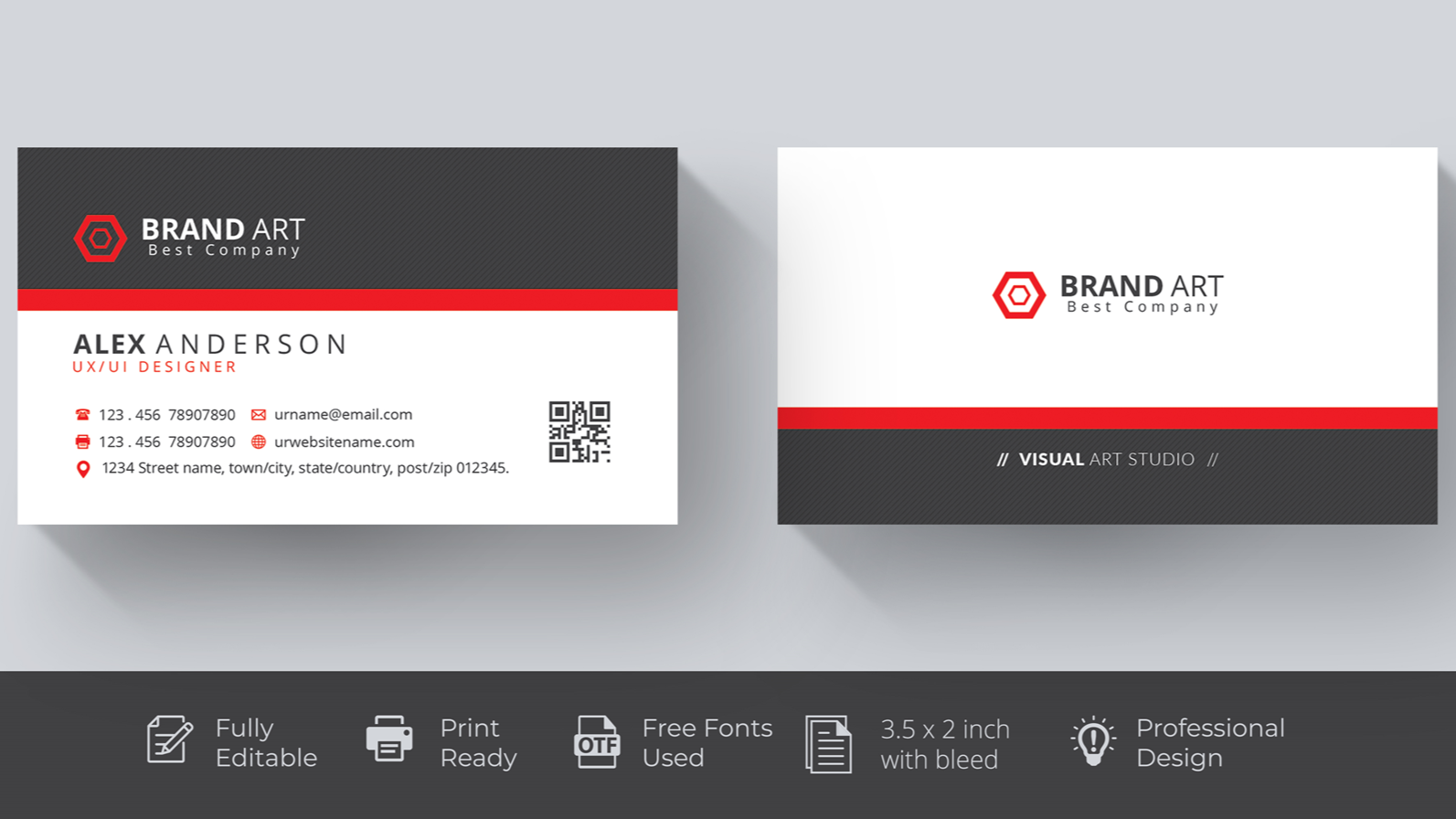
A business card is a great tool in professional networking. It makes an impression on the potential clients or collaborators and is a memorable reminder of the first meeting. This guide covers best practices for creating a memorable business card, from essential elements to common mistakes to avoid.
What is a Business Card?
A business card is a small, portable cardboard sheet carrying the essence of information relating to an individual or company. These cards are utilized primarily for networking and marketing on a professional platform. A business card is, thus, a representative medium of expression that defines one’s identity as an individual or an organization. It promotes the establishment of new relationships or professional contacts.
Major Characteristics of a Business Card
- Contact Information: Carries name, job position, company, telephone number, e-mail ID, and a website.
- Visual Branding: Contains the company’s logo, colors, and typography for branding.
- Portable Size: Often made in a wallet or pocket size and easy to give out and store.
- Professional Presentation: Typically printed on good paper for an impression.
Use of Business Card
Business card usage is as professional networking; given during meetings, conferences, or events, that may help prospective clients, co-workers, or connections remember you.
- Brand Promotion: It helps communicate your business identity and key offerings visually and effectively.
- Easy Accessibility: Provides quick access to essential contact details without relying on digital devices.
Also read:
- Business Card Design Rates Explained: What You Need to Know
- What is the Standard Business Card Size in pixels, inches, and mm?
- Top 10 Types of Graphic Design: Which One Is Right for You?
Why a Memorable Business Card Matters
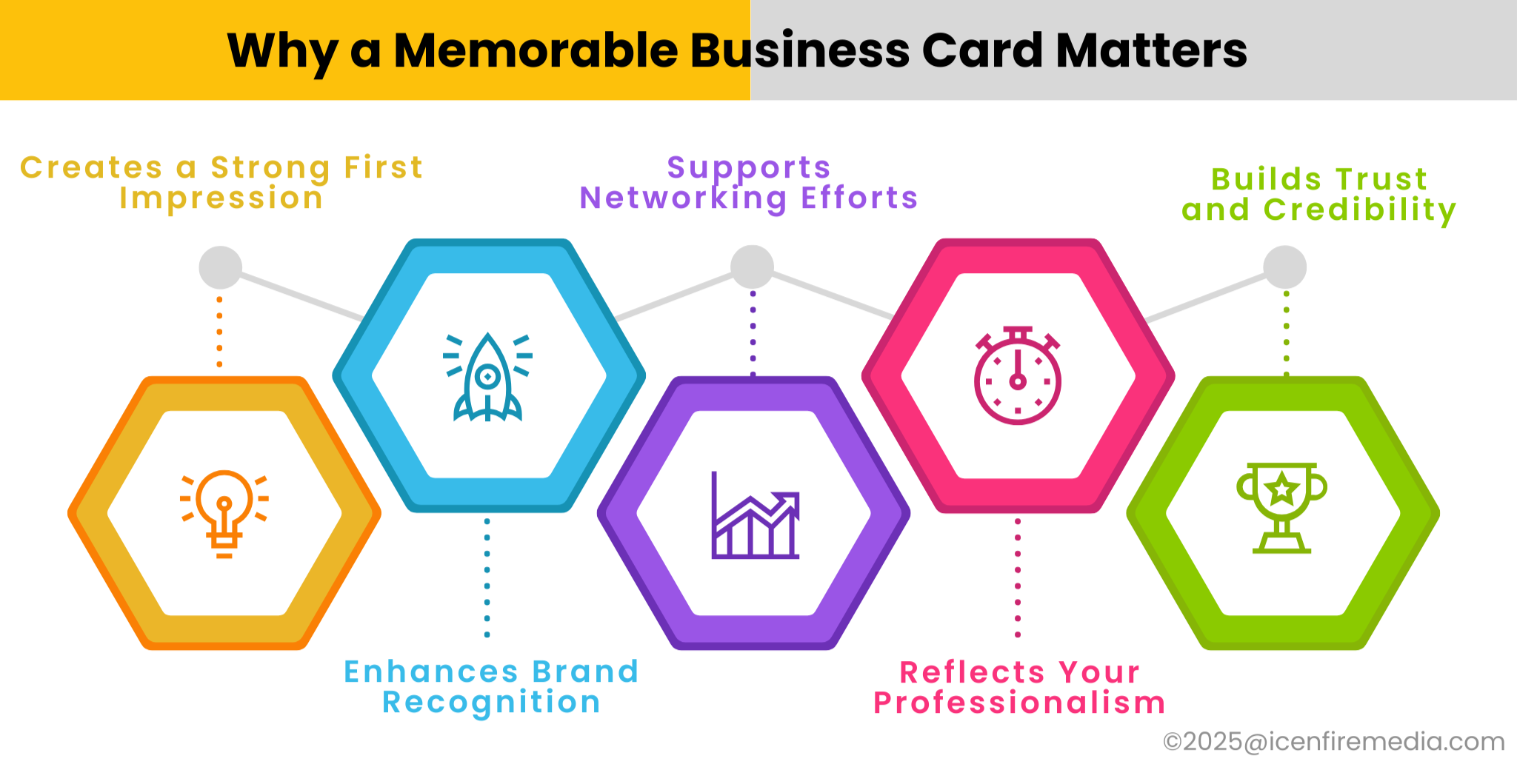
A memorable business card can significantly impact how people perceive and remember you. Here’s why it matters:
- Creates a Strong First Impression: Your business card is often the first tangible interaction someone has with your brand. A professional, well-designed card conveys credibility, reliability, and attention to detail. A visually appealing card can make your introduction stand out in a crowded networking event.
- Enhances Brand Recognition: A memorable business card incorporates your brand’s colors, logo, and design elements, reinforcing your identity. It keeps your brand at the forefront of your audience’s mind, especially if it’s visually unique or creative.
- Supports Networking Efforts: Business cards are a convenient way to share your contact information quickly and professionally. A well-designed card is more likely to be kept and revisited, increasing the chances of follow-up interactions.
- Reflects Your Professionalism: A poorly designed card can give the wrong impression, but a thoughtfully crafted one demonstrates your commitment to quality and professionalism.
- Builds Trust and Credibility: A high-quality business card signals that you care about the details, which can instill confidence in potential clients or collaborators.
A memorable business card isn’t just a formality—it’s a strategic tool to make a lasting impression and establish meaningful professional connections.
Key Elements of a Memorable Business Card Design
A memorable business card starts with attention to key design elements:
- Clear Contact Information: Include your name, job title, company name, phone number, email, and website. Ensure text is legible and not overcrowded.
- Consistent Branding: Use your brand’s colors, logo, and typography to maintain consistency across all materials. Align your card with your overall brand identity.
- High-Quality Material: Invest in good-quality paper or card stock to convey professionalism. Consider textured finishes or premium materials to add a touch of sophistication.
- Creative Visuals: To make your card stand out, incorporate eye-catching visuals or unique design elements. Experiment with illustrations, custom patterns, or innovative layouts.
- Readable Fonts and Layout: Choose clean, professional fonts that are easy to read. Keep the layout simple and organized for maximum clarity.
Design Tips to Make Your Business Card Stand Out

- Opt for Unique Shapes: To make your card visually interesting, consider non-traditional shapes, like square, round, or die-cut designs.
- Use Color Strategically: Choose colors that align with your brand while adding vibrancy to your card. Highlight key information with contrasting colors for better readability.
- Incorporate White Space: Avoid clutter by balancing design elements with adequate white space. White space enhances readability and creates a polished look.
- Include Interactive Features: Add a QR code linking to your portfolio, website, or social media profiles. Use augmented reality (AR) to create an immersive experience.
- Consider Texture and Finish: Embossing, foil stamping, or matte finishes can make your card feel premium. Textured paper adds a tactile element that leaves a lasting impression.
- Showcase Creativity with Minimalism: Combine creative design elements with a minimalist approach to ensure professionalism. Simple yet elegant designs often stand out more effectively than overly elaborate ones.
Common Business Card Design Mistakes to Avoid
- Overcrowding Information: Too much text or unnecessary details can make your card look cluttered and unprofessional.
- Ignoring Readability: Small fonts, poor color contrast, or overly decorative text can make it hard to read.
- Lack of Branding: Using inconsistent colors or fonts can weaken your brand identity. Ensure your logo and brand visuals are prominently displayed.
- Low-Quality Materials: Flimsy card stock or pixelated designs can create a negative impression.
- Neglecting White Space: Overloading your card with elements can overwhelm the viewer and reduce visual impact.
Inspiration for Memorable Business Card Designs
- Minimalist Designs: Clean layouts with subtle branding elements, like Apple-inspired simplicity.
- Bold Typography: Highlight key details using oversized or creative typography.
- Interactive Cards: Cards that fold include pop-ups or feature QR codes for added functionality.
- Eco-Friendly Options: Use recycled materials or seed-infused paper for sustainable designs.
- Artistic and Playful Styles: Incorporate custom illustrations, vibrant colors, or playful layouts for creative industries.
Conclusion
Designing a memorable business card is essential in creating a lasting impression and effectively promoting your brand. Focusing on key elements like clear contact information, consistent branding, and a professional layout ensures your card stands out in a competitive professional landscape. Thoughtfully choosing colors, fonts, and unique design features can elevate your business card’s impact and enhance brand recognition. Avoid common design mistakes, such as overcrowding information or neglecting readability, to maintain a polished and professional appearance.
A well-designed business card is a networking tool and a powerful extension of your brand identity, leaving a lasting impression on potential clients, partners, and collaborators. Invest time in creating a card reflecting your professionalism and creativity, ensuring it represents you and your business.

Want a business card that stands out? Get expert graphic design services at Ice N Fire Media and make a lasting impression today!
FAQs
1. What information should be on a business card?
Include your name, job title, company name, phone number, email, website, and social media handles if relevant.
2. How do I choose the right color scheme for my business card?
Pick colors that align with your brand identity. Use contrast to highlight key details and ensure readability.
3. Are unique shapes worth considering for business cards?
Yes, unique shapes can make your card more memorable, but ensure they are practical and don’t compromise usability.
4. How can I ensure my business card reflects my brand identity?
Use consistent branding elements, such as your logo, colors, and typography. Ensure the design aligns with your overall brand message.
5. What are some cost-effective ways to enhance business card design?
Use online design tools with templates for affordable customization. Opt for simple, high-impact designs with quality paper to maintain professionalism on a budget.