In the digital age today, captivating visuals are the epitome of communication. Motion graphics stands out as a dynamic and versatile medium among these different forms of visual storytelling. But what is motion graphics, exactly, and why is it so important in content creation? This comprehensive guide will walk you through the fundamentals, applications, and motion graphics tools to help you grasp its potential and power.
What Are Motion Graphics?
Motion graphics is a type of animated graphic design. Unlike traditional animation, which tells a story using action and character evolutions, motion graphics rely on moving graphic elements like text, shapes, and images to create visually appealing content.
At its core, motion graphics combines graphic design principles with animation to bring static visuals to life. Whether it is an explainer video, an engaging title sequence, or an eye-catching advertisement, motion graphics are a powerful tool for conveying ideas visually appealingly.
Key features of motion graphics include:
- Use of text, shapes, and icons.
- Motion-based transitions and effects.
- Integration with audio, such as music or voiceovers.
History and Development of Motion Graphics
The origin of motion graphics dates back to the early 20th century with the discovery of motion picture technology. Pioneers like Saul Bass were responsible for revolutionizing film title sequences with moving graphic elements.
Motion graphics found its way into the advertising and television world. With the coming of software like Adobe After Effects in the 1990s, motion graphics became accessible for designers to test and innovate. Eventually, it became a cornerstone in industries like entertainment and education, with virtually unlimited creative expression.
Applications of Motion Graphics
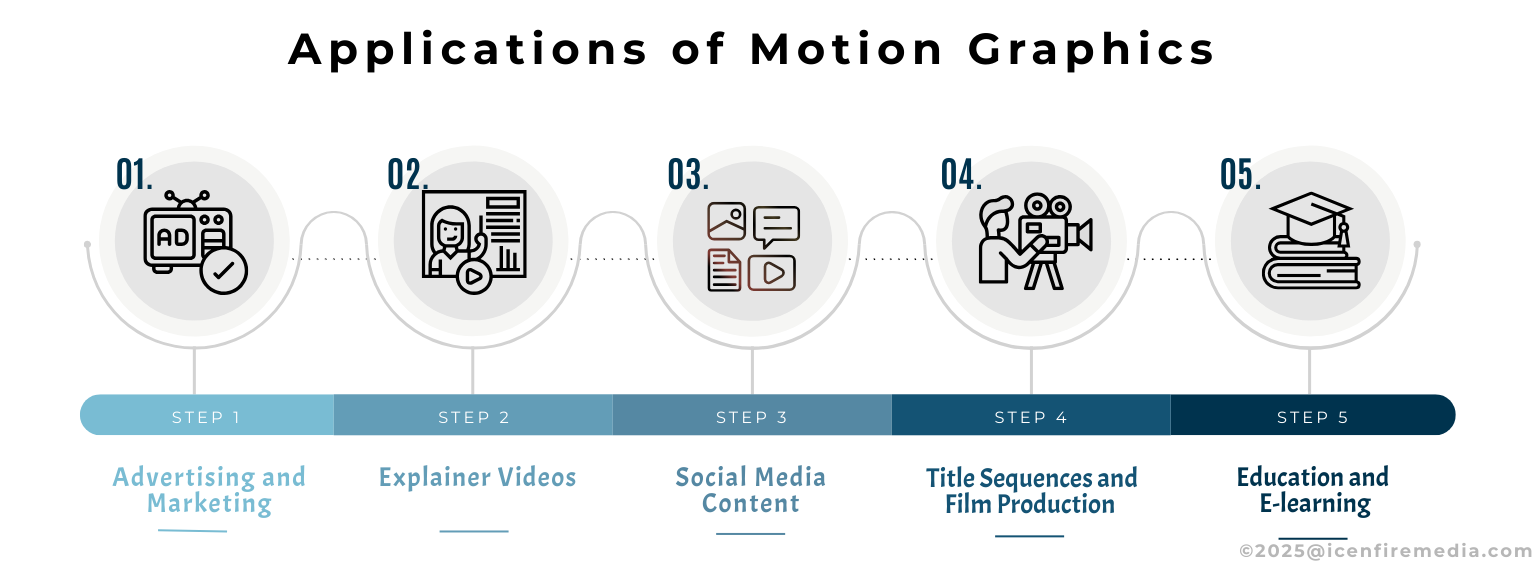
Motion graphics have a broad spectrum of applications and are indispensable for making or being made to create more by the creator or any business.
1. Advertising and Marketing
Motion graphics are very popular in advertisements because they can capture attention and convey messages quickly. Animated logos, product demonstrations, and promotional videos are some examples of where motion graphics shine.
2. Explainer Videos
Businesses use motion graphics to explain complex ideas simply. Animations visualize data, processes, and concepts for audiences.
3. Social Media Content
Channels like Instagram, TikTok, and YouTube depend on visually engaging elements, such as videos. Motion graphics form the perfect bite-sized video to captivate audiences in seconds.
4. Title Sequences and Film Production
Iconic opening credits and animated overlays on everything to context-providing the entire visual narration can be a form of enhanced style that has characterized motion graphics over time.
5. Education and E-learning
Motion graphics allow learning by converting boring textual information into visual dynamite, easily learned via informative videos or interactively provided modules.
How are Motion Graphics Made?
Creating motion graphics entails a mix of creativity and technical know-how. These can be put into the following steps:
1. Concept and Storyboarding
The first stage is to conceptualize the message and then visualize it using storyboards. This involves sketching some keyframes and transitions to outline the flow of the animation.
2. Designing the Graphics
Once the storyboard is completed, graphic elements are designed. Text, shapes, illustrations, and icons can be developed in software applications such as Adobe Illustrator or Photoshop.
3. Animation
Animation software brings these graphic elements to life. Using software like Adobe After Effects, Blender, and Cinema 4D, designers can easily animate motion, add effects, and transition visuals.
4. Audio Integration
Adding sound effects, music, and voiceovers enhances the animation. Often, audio is synchronized with visuals for maximum effect.
5. Final Rendering
The motion graphic is finally rendered into a video format for distribution through desired channels.
Also read:
Key Tools to Make Motion Graphics
Specialized software is used to create stunning motion graphics. The most popular tools are as follows:
1. Adobe After Effects
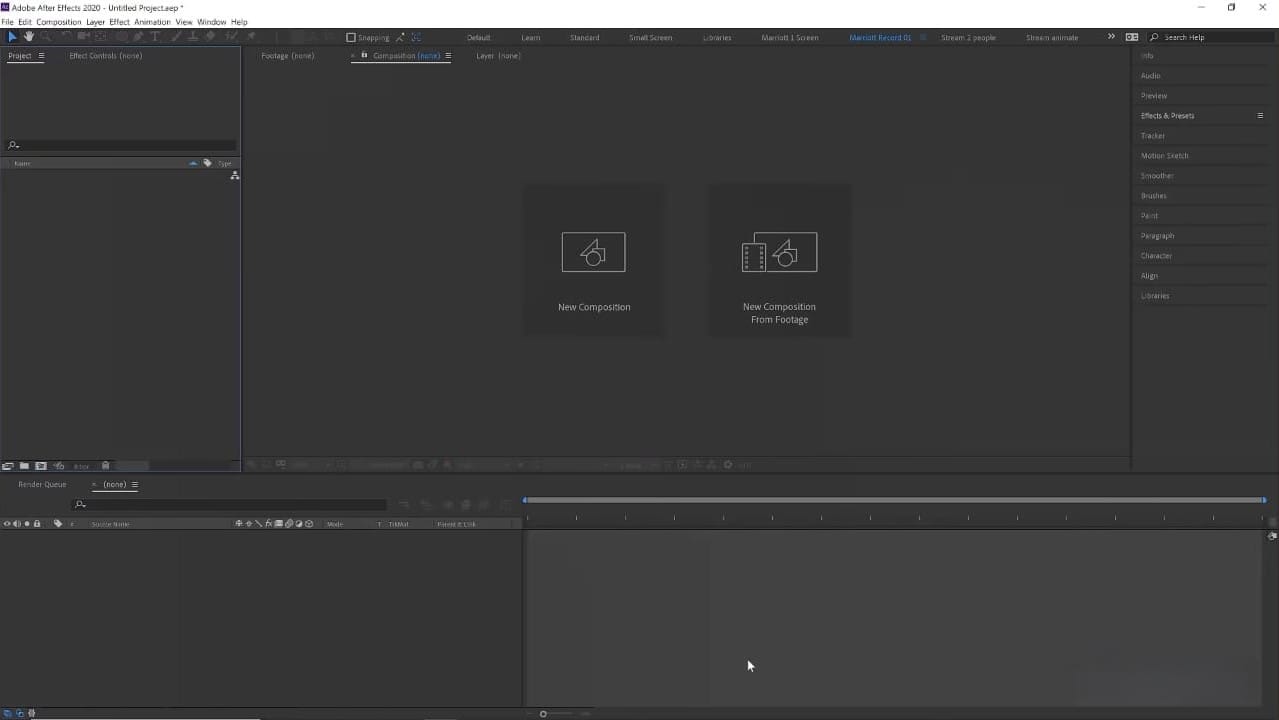
One of the staples of motion graphic designers, After Effects, is a good source of different animations and visual effects. It is quite versatile because of its integration with other Adobe tools.
2. Blender
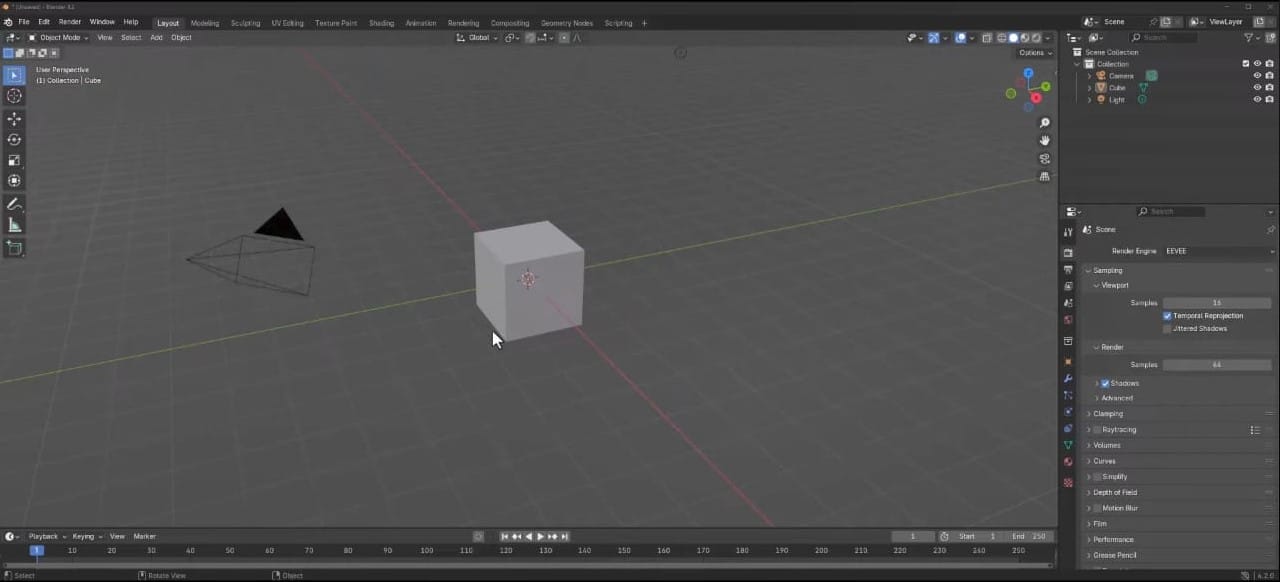
Blender is an open-source, free 3D animation software that allows motion graphics capabilities. Its robust feature makes it very popular for making both 2D and 3D animations.
3. Cinema 4D
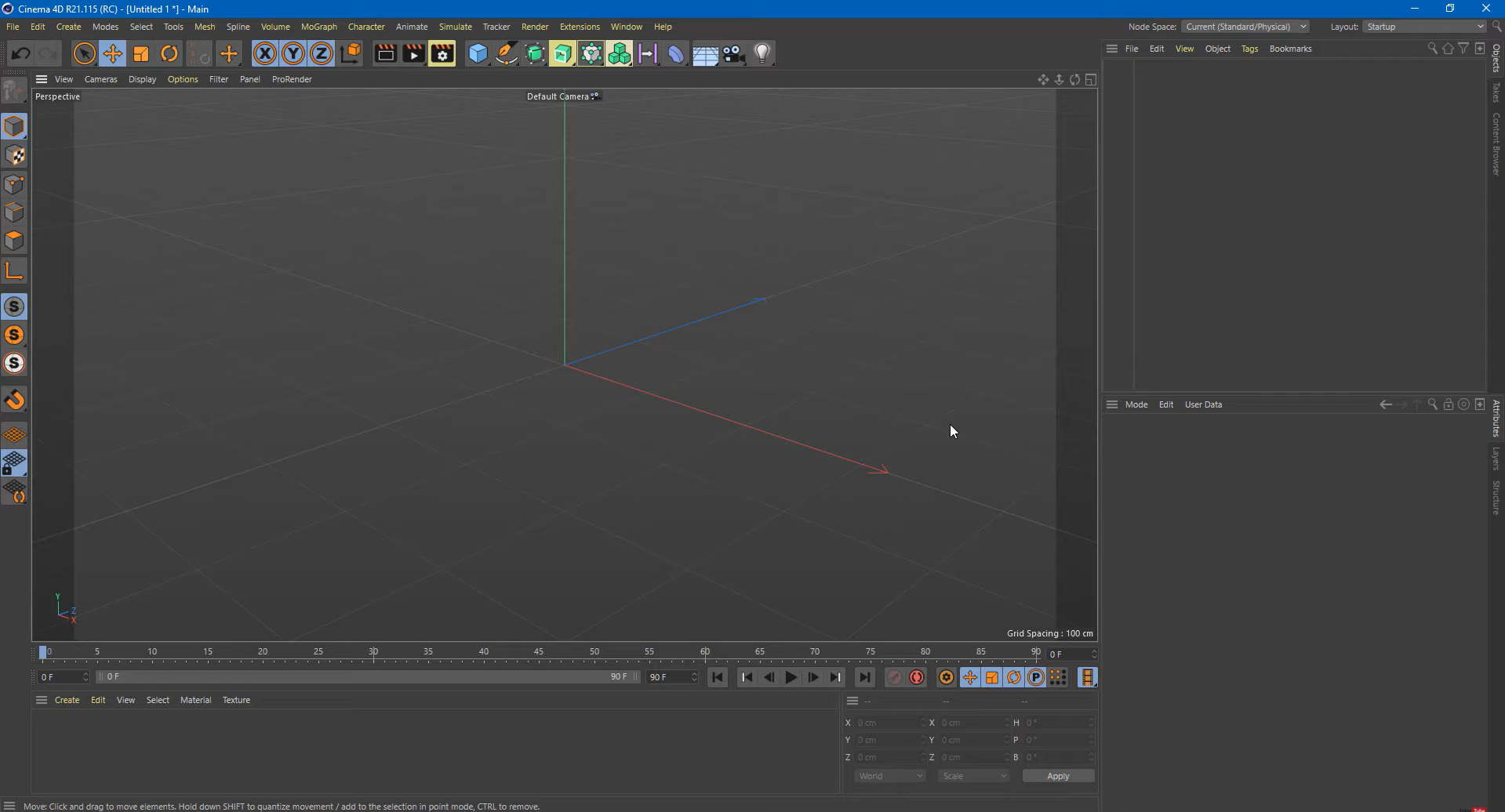
Cinema 4D is a high-end 3D animation tool used in professional studios. Its MoGraph module is specifically designed for creating complex motion graphics.
4. Adobe Premiere Pro
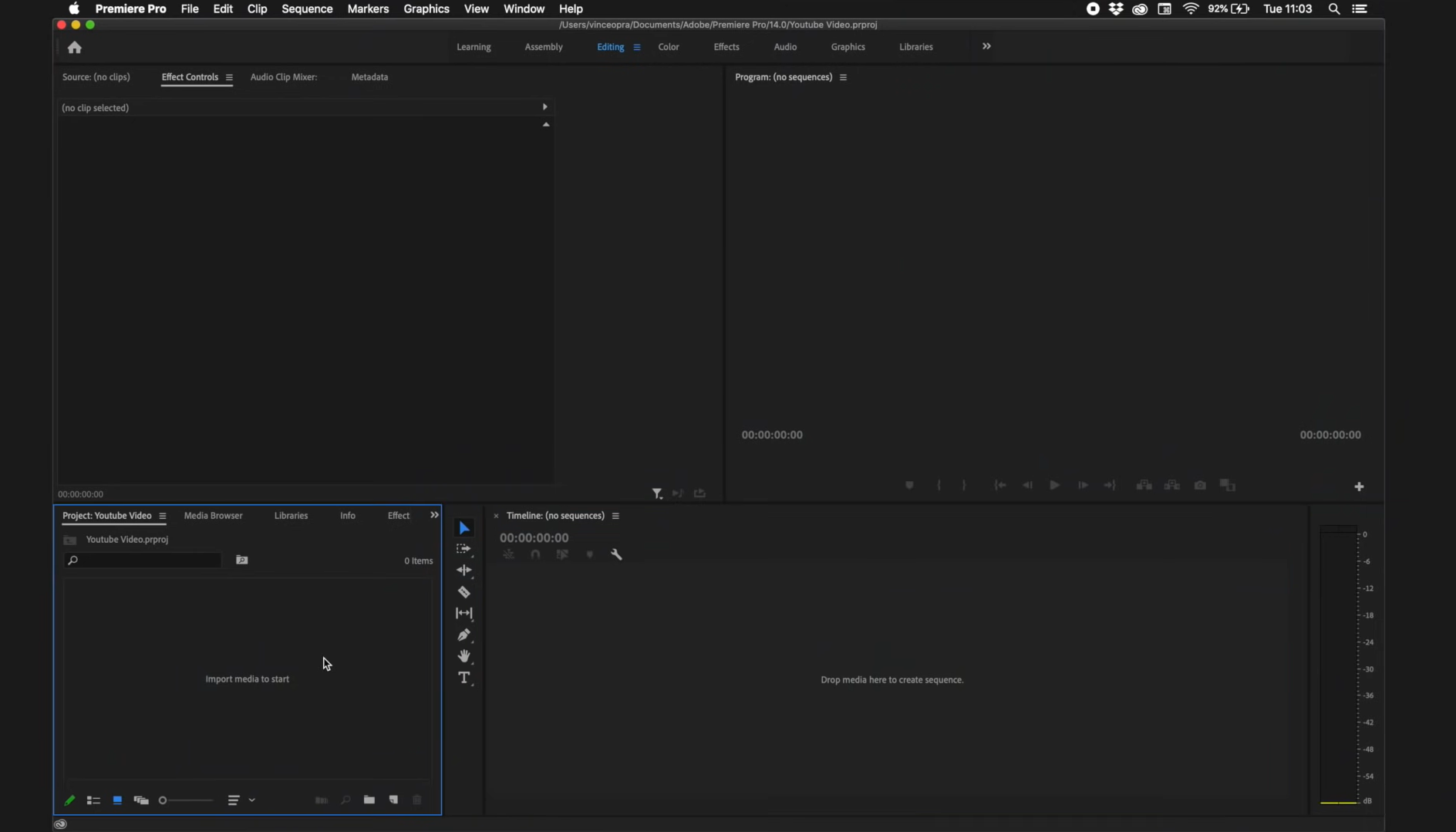
Although a video editing tool, Premiere Pro allows designers to combine motion graphics with video content seamlessly.
5. Canva
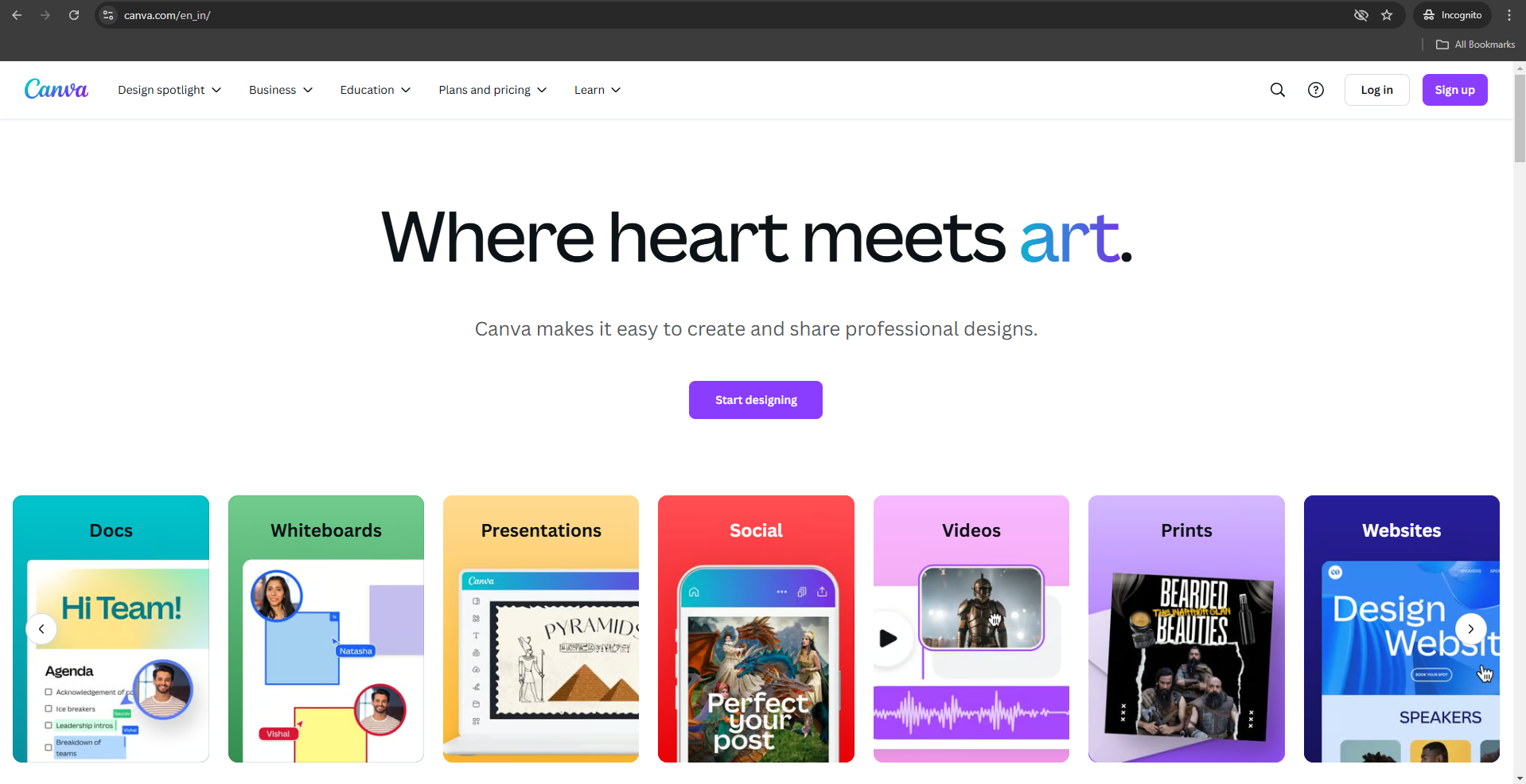
For beginners or those with limited resources, Canva offers basic motion graphic capabilities, making it accessible for simple projects.
Why Is Motion Graphics Important?
Motion graphics are a very effective medium of communication because they have visual appeal, clarity, and engagement. Here’s why it’s important:
1. Draws Attention
In a fast-paced digital world, motion graphics stand out by capturing and maintaining viewer interest.
2. Simplifies Complex Information
By visualizing data and concepts, motion graphics make complex ideas easier to understand.
3. Enhances Brand Identity
Custom animations can enhance a brand’s personality and create a memorable impression on audiences.
4. Flexible and Scalable
Motion graphics can be designed for different platforms, from social media to large presentations.
Motion Graphics vs. Other Animation Styles
Motion graphics is a subcategory of animation, but it is not the same as other types, such as traditional or 3D character animation.
1. Motion Graphics
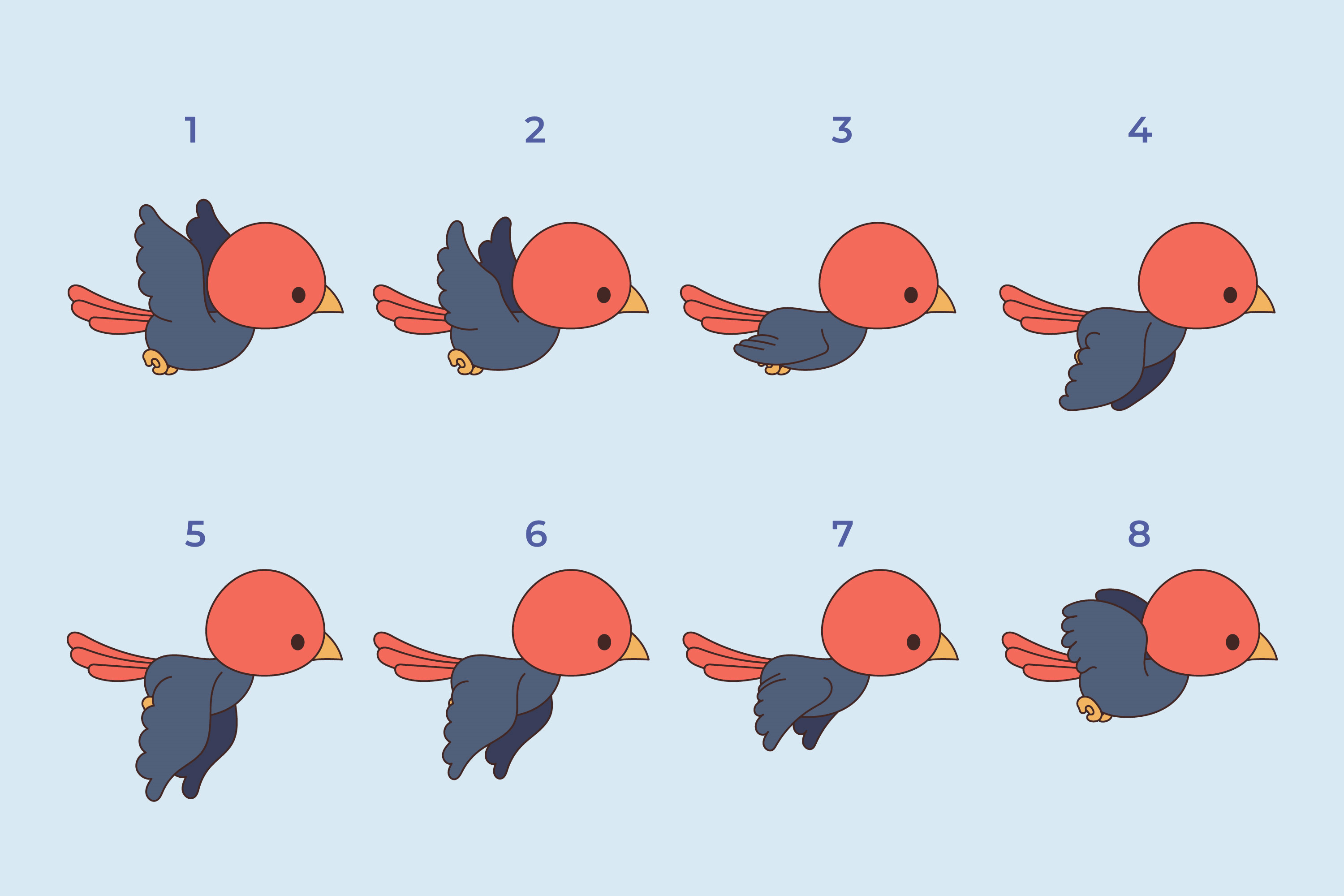
Uses text, shapes, and graphic elements.
Used mostly for branding, advertising, and information content.
2. Traditional Animation
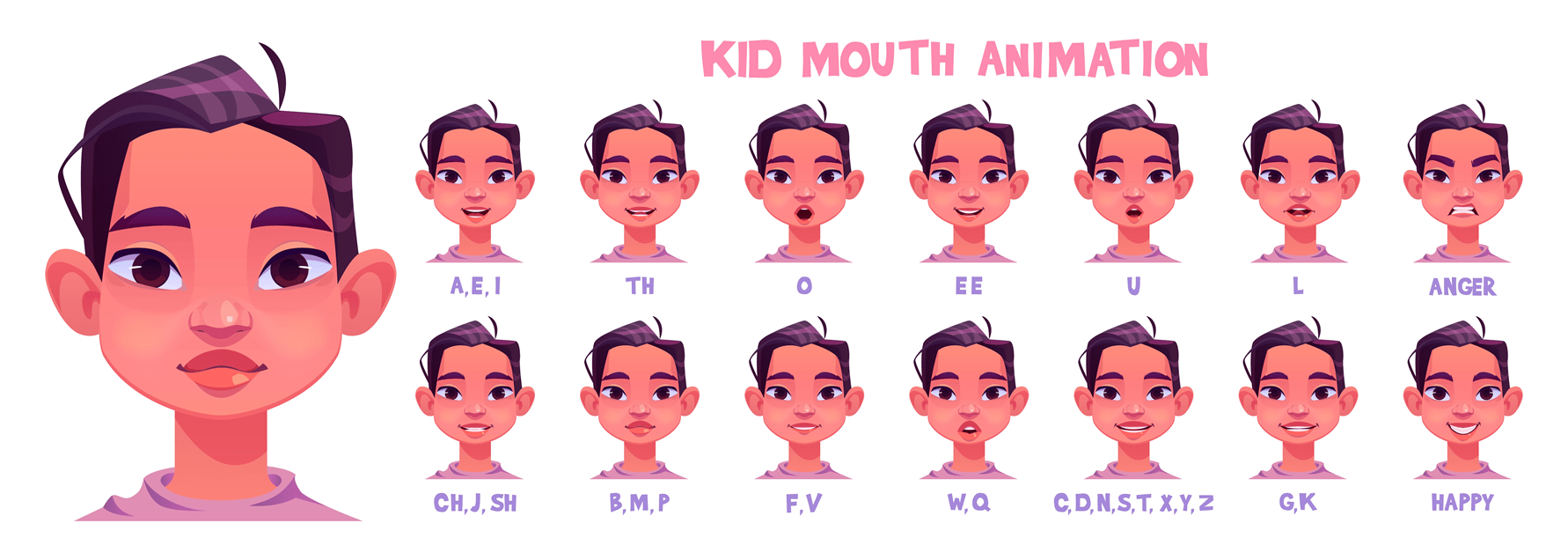
Drawn images by hand, frame by frame.
Commonly used in storytelling and character-driven stories.
3. 3D Animation
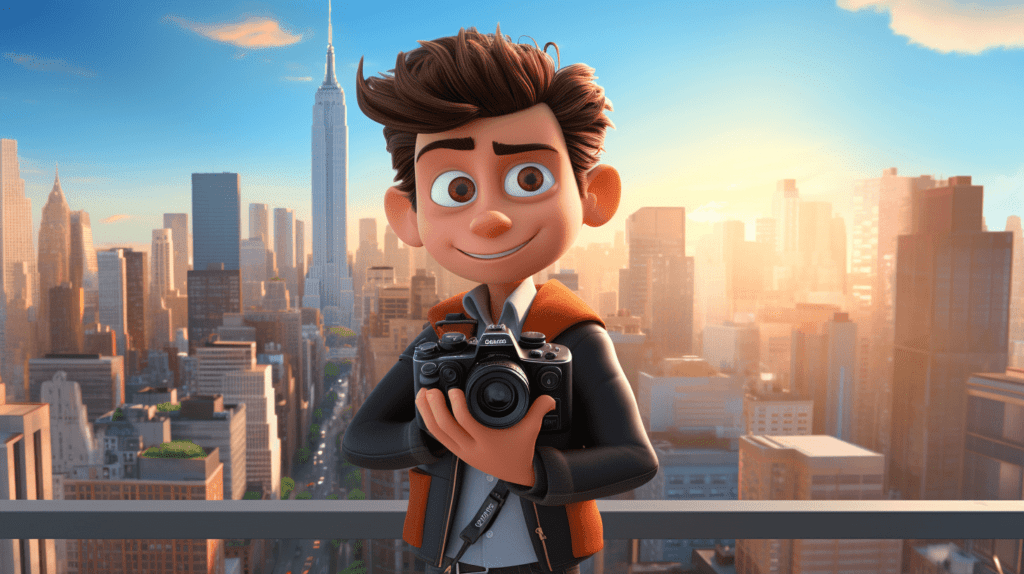
Focuses on creating real three-dimensional characters and environments.
Applied in movies, games, and architectural visualization.
Future Trends in Motion Graphics
Technology is always improving, and so is motion graphics. The following are trends shaping its future:
1. Interactive Motion Graphics
With the growth of augmented reality (AR) and virtual reality (VR), motion graphics is becoming more interactive as users engage with the content.
2. AI-Driven Animation
Artificial intelligence makes working much faster, making more complicated motion graphics possible.
3. Simple Designs
Simplicity with clear aesthetics is also being sought after, with clear communication not burdened with over-the-top visuals.
4. Data-Driven Animations
Motion graphics are more frequently used in visualizing data, especially finance, healthcare, and technology in real-time.
Conclusion
Motion graphics are not just moving visuals but a rich storytelling tool that connects information and emotions. From fascinating advertisements to engaging content in education, their applications go beyond imagination. With accessible tools and growing demand, motion graphics have become indispensable for creators and businesses.
Whether you’re looking to enhance your brand’s presence or simplify complex ideas, motion graphics can bring your vision to life in a way that resonates with audiences. So, explore its potential, unleash your creativity, and let motion graphics take your storytelling to the next level!

Ready to create stunning motion graphics? Elevate your content with expert design services from ICE N Fire Media.