In today’s digital age, video content is an indispensable tool for engaging audiences and driving business growth. Whether it’s corporate branding, product demonstrations, or social media marketing, videos have the power to captivate like no other medium. Yet, understanding the cost of video production and how to budget effectively can be daunting for many businesses.
This blog explores the complexities of video production pricing, highlighting key factors that influence costs, breaking down expenses, and offering practical tips for creating high-quality videos without overspending. By the end, you’ll understand how to allocate resources wisely and why professional services deliver the best ROI.
Key Factors That Influence Video Production Costs
1. Type of Video
The type of video you choose sets the stage for its cost. Different formats require varying levels of expertise, equipment, and resources:
- Explainer Videos: Often animated with voiceovers, requiring specialized tools and skilled animators. For instance, a tech startup might use an explainer video to simplify complex software concepts for their target audience.
- Corporate Videos: Showcase a brand’s identity, involving professional-grade equipment, experienced crews, and occasionally actors. Companies often use these for investor presentations or brand awareness campaigns.
- Marketing Videos: Focus on storytelling with advanced editing and motion graphics for a compelling narrative. For example, a luxury watch brand may invest in visually stunning promotional videos to evoke emotion and desire.
- Product Demos: Highlight features through close-up visuals and precision shots, often needing high-quality equipment. E-commerce businesses frequently use these to showcase product details online.
- Training Videos: Require detailed scripting and sometimes interactive elements for effective knowledge transfer. Universities and corporations use training videos to onboard employees or students effectively.
- Event Videos: Capture live events, necessitating multiple camera setups and on-the-spot editing capabilities. An example would be filming a product launch or a large-scale corporate gala.
Each type’s complexity directly affects the video production budget.
2. Quality of Production
Production quality is pivotal in determining the final cost. The difference lies in:
- Low-budget Videos: These use basic equipment, minimal editing, and simple visuals. They are suitable for startups with tight budgets or personal projects.
- Professional-grade Videos: For superior results, they require high-end cameras, expert crews, premium lighting setups, and sophisticated editing tools. High-quality videos, such as documentaries or national ad campaigns, require significant investments.
Additionally, lighting, sound quality, and crew expertise all play a significant role in enhancing production quality. High-quality production ensures the video resonates with the audience, elevating brand perception and engagement.
3. Length of the Video
The longer the video, the higher the cost. Short, impactful explainer videos are more budget-friendly compared to lengthy corporate or training videos, which demand additional scripting, filming, and editing efforts. For example, a one-minute social media video might cost a fraction of a ten-minute training session.
Also read,
- Top 10 Best Video Editing Apps
- Top 10 Stop Motion Studios in the USA
- What is Brand Videos: A Powerful Tool for Building Your Brand
Pre-Production Requirements
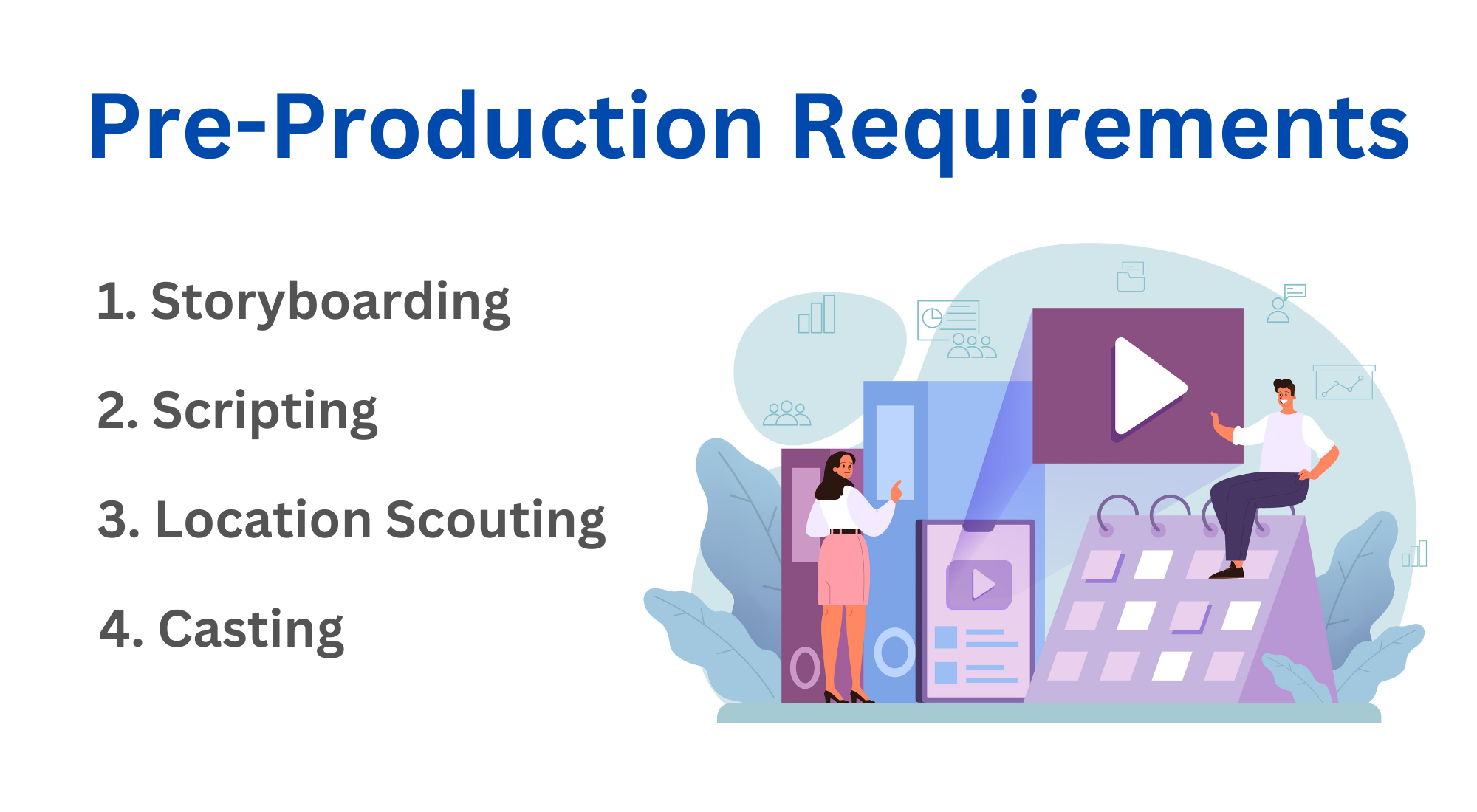
Pre-production lays the groundwork for a seamless production process. It includes:
- Storyboarding: Creating a visual outline to guide the shoot. This ensures clarity and alignment among stakeholders.
- Scripting: Writing a compelling narrative that aligns with the video’s goals. A well-written script saves time during production and post-production.
- Location Scouting: Finding the perfect setting, whether indoor or outdoor, for the shoot. Renting unique or hard-to-access locations increases costs.
- Casting: Selecting actors or voiceover artists who align with the brand’s tone and style. Established talent often commands higher fees.
These tasks require time, expertise, and budget allocation, contributing to the total video production costs.
Production Phase
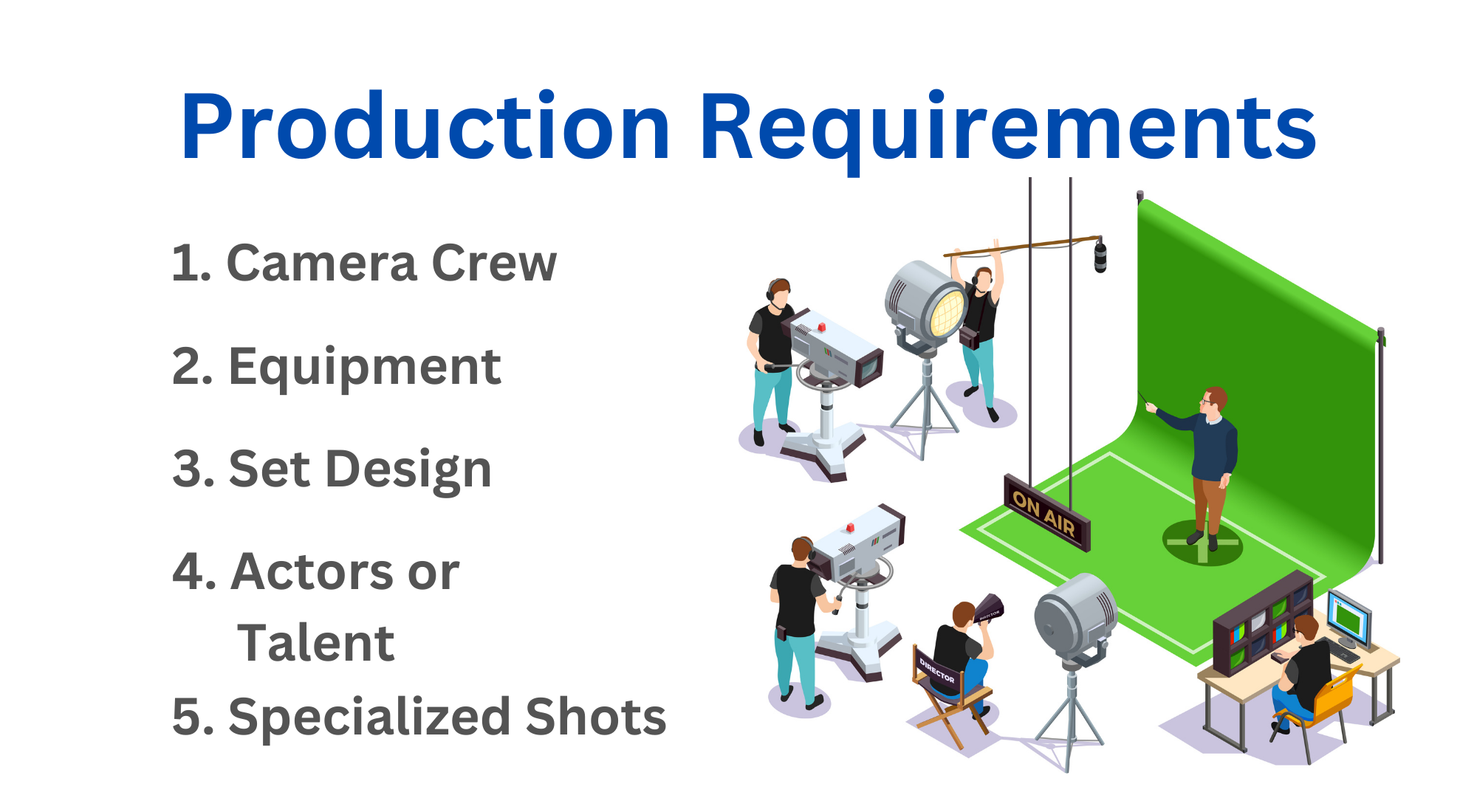
The production phase brings your vision to life and involves:
- Camera Crew: Professionals ensure steady shots, proper framing, and lighting.
- Equipment: High-resolution cameras, specialized lighting, and advanced sound systems elevate video quality.
- Set Design: Creating visually appealing environments, which may include studio rentals or elaborate set construction.
- Actors or Talent: On-screen professionals add credibility and engagement but increase costs.
- Specialized Shots: Drone footage or underwater filming adds visual interest but comes with additional expenses.
Investing in the production phase ensures the final video meets professional standards and captures the audience’s attention effectively.
Post-Production Phase
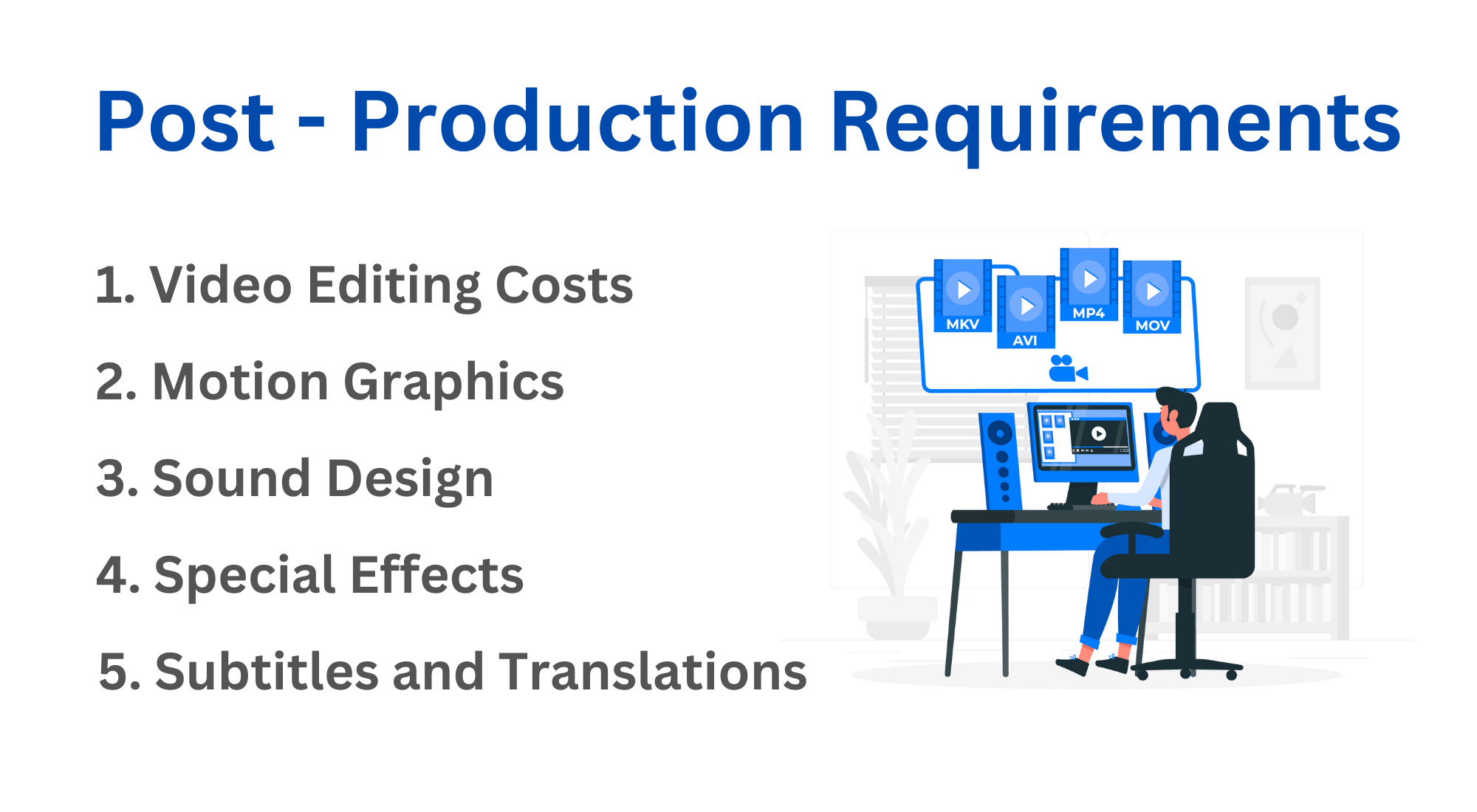
Post-production is where raw footage is refined into a polished masterpiece. Key elements include:
- Video Editing Costs: Assembling clips into a cohesive narrative.
- Motion Graphics: Adding dynamic visuals to enhance engagement. For example, animated infographics can make data presentations more interesting.
- Sound Design: Synchronizing audio, adding effects, and improving sound clarity.
- Special Effects: Advanced editing for cinematic appeal.
- Subtitles and Translations: Ensuring accessibility and a broader reach for international audiences.
Breakdown of Video Production Costs
Low-Budget Videos
- Cost Range: $500 to $2,000
- Examples: Basic social media ads and straightforward explainer videos.
- Deliverables: Simple camera setup, minimal editing, and basic animations or graphics.
Mid-Tier Videos
- Cost Range: $2,000 to $10,000
- Examples: Corporate branding videos and promotional campaigns.
- Deliverables: Multi-camera setups, professional editing, moderate motion graphics.
High-End Videos
- Cost Range: $10,000 to $50,000+
- Examples: High-production commercials cinematic storytelling videos.
- Deliverables: Advanced equipment, skilled crews, complex animations, and post-production enhancements.
High-end productions include extensive pre-production planning and specialized techniques, like high-speed cameras or virtual sets.
DIY vs. Hiring Professionals
DIY Production
DIY video production may seem cost-effective, but it comes with limitations:
- Pros:
- Lower upfront costs with basic equipment.
- Greater control over content creation.
- Cons:
- Limited technical expertise can result in lower-quality output.
- Time-consuming and less efficient than hiring professionals.
- Limited scalability for larger projects.
Professional Services
Opting for professional video production ensures higher quality and better results:
- High-quality Output: Access to premium tools, experienced crews, and industry knowledge.
- Efficiency: Professionals manage complex workflows, reducing delays and errors.
- Scalability: Ability to handle larger or more intricate projects.
- Post-Production Expertise: Advanced editing and seamless integration of effects.
Although professional services require a larger investment, they provide impactful, polished videos that justify the cost.
Cost-Saving Tips Without Compromising Quality
Producing high-quality videos doesn’t have to break the bank. Here are practical tips to save costs:
- Plan Effectively: A well-defined pre-production phase minimizes revisions and resource wastage.
- Use Stock Footage: Incorporate pre-existing visuals to cut down on filming expenses.
- Leverage Templates: Utilize pre-designed animations and graphics for quick, budget-friendly customization.
- Partner Locally: Work with local production companies to save on travel and logistical costs.
- Prioritize Storytelling: Focus on crafting a compelling narrative while simplifying non-essential elements.
- Limit Length: Keep videos concise to reduce production time and post-production efforts.
- Batch Production: Plan multiple videos in one shoot to maximize resources and minimize setup costs.
Tools and Technology That Impact Costs
Innovative tools and technology are reshaping the video production landscape, enabling cost-efficiency without sacrificing quality:
- AI-based Tools: Platforms like Synthesia automate parts of the production process, reducing time and labor costs.
- Advanced Editing Software: Tools like Adobe Premiere Pro or Final Cut streamline editing workflows.
- Cloud-based Collaboration: Enables teams to work seamlessly, enhancing efficiency and minimizing delays.
- VR and AR Integration: For immersive storytelling, though, these features can increase costs.
- Automated Subtitling Tools: Reduce time spent on accessibility features.
By adopting these advancements, businesses can achieve cost-effective video creation tailored to their needs.
Global Trends in Video Production
Video production trends continuously evolve, influencing costs and strategies. Key trends include:
- Sustainability in Production: Eco-friendly practices, such as reducing energy consumption and waste during shoots.
- Localized Content: Adapting videos to resonate with regional cultures and languages.
- Live Streaming: The growing popularity of real-time engagement through live video.
- Interactive Videos: Including clickable elements or branching narratives for enhanced viewer interaction.
Staying informed about these trends ensures your videos remain competitive and relevant.
How to Budget for Video Production
Budgeting for video production requires a strategic approach to ensure optimal use of resources. Follow these steps:
- Define Objectives: Clarify the video’s purpose and target audience.
- Estimate ROI: Assess the potential return on investment to justify the budget. For instance, a well-crafted explainer video can significantly boost conversion rates.
- Allocate Costs:
- Pre-Production: 15-20% for planning, scripting, and storyboarding.
- Production: 50-60% for filming, equipment, and crew.
- Post-Production: 20-30% for editing, sound design, and enhancements.
- Include Contingencies: Set aside extra funds for unforeseen expenses.
- Evaluate Tools: Invest in technology that reduces long-term costs, such as AI tools or cloud-based solutions.
Proper budgeting not only prevents overspending but ensures that your video aligns with your goals.
Conclusion
Understanding the cost of video production is key to creating impactful, budget-friendly content. Factors like video type, production quality, and pre and post production requirements play crucial roles in determining expenses. While DIY approaches may suit small projects, hiring professionals guarantees polished results that maximize ROI.
At Ice n Fire Media, we specialize in delivering high-quality, cost-effective video creation that aligns with your objectives. Our comprehensive services cover every stage of production—from planning and filming to editing and post-production. Whether you’re looking for a simple explainer video or a high-end marketing campaign, we bring your vision to life.

Need help creating high-quality videos that fit your budget? Contact Ice N Fire Media today and let us bring your vision to life.