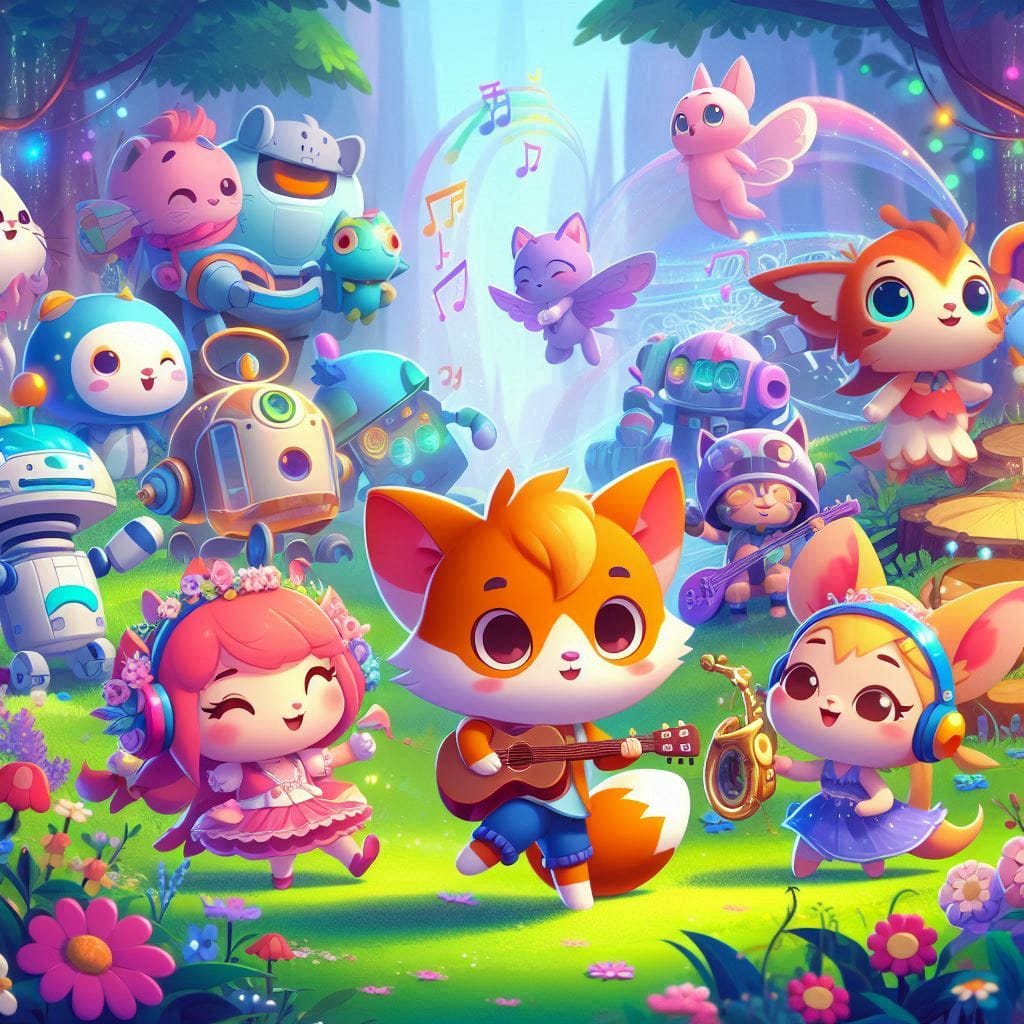
2d Animation
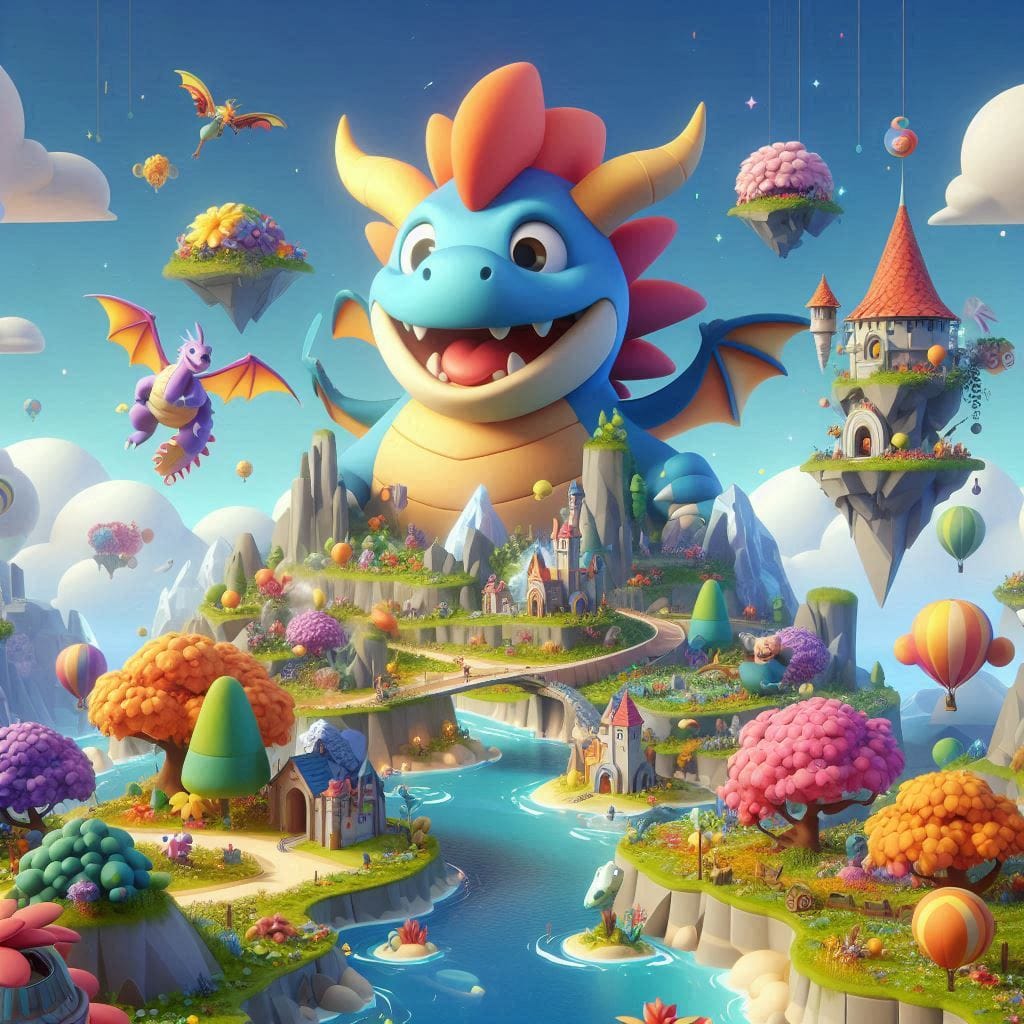
3d Animation
We all grew up watching amazing 2D animation classics like Tom and Jerry and 3D animations with films like Frozen and Toy Story. The emergence of 3D animation movies gave rise to a large debate on which is better, 2D or 3D animation. In this blog, we are going to take a closer look at the 2D animation vs 3d animation—and explore their pros and cons, similarities, and differences.
What is 2D Animation ?
In 2D animation, you are required to create movement in a two-dimensional space. This traditional animation method uses a series of drawings to create motion when shown quickly, one after another. Disney’s Snow White and the Seven Dwarfs is an excellent example of 2D animation. It was the first feature-length animated film.
Types of 2D Animation
- Traditional Animation: Also known as hand-drawn animation, this involves drawing each frame by your hand. Artists create this by drawing every frame on paper or digitally to bring characters and scenes to life.
- Digital Animation: This technique uses technology to create two-dimensional, caricature-like images. This is done using tools like Adobe Animate or Toon boom Harmony through drawing animations using lines and shapes.
- Cutout Animation: In this technique, objects such as photos or drawings are prepared in advance and then rearranged in a way that appears to be animated. It is mostly employed in animations and TV shows.
- Motion Graphics: Explainer videos and ads are some of the typical examples of motion graphics. They mostly use icons, text, and graphic images to convey information or a message.
- Stop-motion Animation: Stop motion is used most of the time in 3D animations, but it can also be used in 2D animations. It involves shifting the drawings or objects by a little distance, making a photograph of them, and then playing with the photos to make animation.
Also Read:
- Top 10 Best 2D Animation Software
- Top 10 Best Video Editing Services in USA
- Top 10 Best Video Editing Software For Beginners
Pros and Cons of 2D Animation
Pros:
- 2D animation has a classic appeal. It can be very expressive with simple designs
- It comes with a variety of artistic styles and creativity
- 2D animation is perfect for telling stories with strong narratives.
- Creating 2D animations has become quicker due to modern digital tools.
- As compared to 3D animation, 2D animation is generally cheaper.
Cons:
- With 2D animations, it is more challenging to make changes or make corrections.
- As compared to 3D animations, the backgrounds of 2D animation are less dynamic and more stationary.
- It has fewer camera options, and thus, it can be pretty difficult to create complex camera angles and movements.
- With 2D animation, you do not get the same depth or realistic look as you do from 3D animation.
What is 3D Animation?

3D animation involves creating images in a three-dimensional digital environment. Thus, it allows for realistic depth, shading, and perspective. With 3D animation, you require specialised software to create 3D models of objects and characters. Later, these models are rigged, animated, and rendered.
Types of 3D Animation
- Digital 3D animation: Digital 3D animation is the most common type of 3D animation, in which characters and objects are digitally created using software like Maya, Blender, or 3D Max.
- Virtual Reality (VR) 3D: This animation creates immersive worlds for users to explore with VR handsets. It is quite popular in virtual tourism, gaming, and training simulations.
- Motion Capture (MoCap): Motion Capture tends to record the movements of objects or people and then transform them into digital transformations. It is used widely in video games, movies, and even research.
- Motion Graphics: In this type of 3D animation, users can animate graphics, texts, and other visuals to create eye-catching videos. This can be seen often in ads, title sequences, and explainer videos.
Pros and Cons of 3D Animation
Pros:
- It is widely used in many fields, from education and entertainment to advertising.
- After 3D models are created, they can be reused in future projects, helping to save time and effort.
- It is preferable for interactive content like virtual reality and video games.
- They can be used to create lifelike visuals which are perfect for immersive experiences.
Cons:
- Creating high-quality 3D animations can be very expensive since it requires costly software and powerful computers.
- When it comes to creative designs, 3D animations tend to have more constraints than 2D animations.
Similarities Between 2D and 3D Animations
- Animation Principles: Although 2D and 3D animation apply different techniques, both rely heavily on similar principles. The factors of timing, squash and stretch, anticipation, staging, and follow-through make movements feel natural and exciting.
- Keyframing and In-betweening: Keyframing and in-betweening are the two critical techniques used in animating movements in both 2D and 3D animations. These techniques assist the animators in managing the rates at which things happen. They also help make the motion look real and ensure that the emotions or actions expressed in the motion are correct.
- Character Movement is crucial in any type of animation. Acting, body language, and story telling are crucial aspects. For both 2D and 3D animations, animators have to understand how to get characters to look like they are walking or running, how to make them look like they are crying or smiling, and so on.
Key Differences Between 2D and 3D Animation
- Dimensionality: Animations in 2D format are rather flat, with movements mostly going up, down, and sideways. They lack a certain depth, and the objects tend to look flat. 3D makes everything in the space feel real and look more lifelike.
- Lighting and shadows: Traditional animation that uses painted backgrounds and limited lighting effects is usually observed in earlier cartoon series. On the other hand, 3D animation involves the use of real light and shadows. It helps to make characters and objects appear to be like they are in the real world.
- Perspective and realism: Shading is used in 2D animation to exaggerate or add depth and reality to the character. The point of view typically remains static, while 3D animation allows the user to view the object from various angles, which is more realistic.
- Cost and production time: Compared to 3D, 2D animation is more cost-effective and time-saving since it does not require as many steps and tools. 3D animation is more difficult and time-consuming as it requires processes and tools.
- Interactivity: 2D animation is even more passive because it does not involve much or any interaction at all. It is most often used in basic animation or in videos that teach something, while 3D animation is applied to virtual reality and video games.
- Flexibility and modification: Once the model of a 3D animation is created, it is very manageable and can be modified as per the requirement. With the program’s help, you will not have to begin the entire process from scratch again to make any changes if needed. However, with 2D movements, any new movements mean new drawings are needed to illustrate them.
- Tools and software: 2D animation can be made by drawing by hand or using digital tools like Adobe After Effects. 3D animation is made with special software like Autodesk Maya or Blender.
- Applications: 2D animation is great for educational videos, cartoons, and 2D games. It is very simple and cost-effective. On the other hand, 3D animation is used in industries like gaming, film, architecture, and product design.
Factors to Consider When Choosing Between 2D and 3D animation for your project
- Time and Resource: When you are dealing with tight deadlines, 2D animation is p[preferred for projects. 3D animations are better suited to larger projects that need more time and resources.
- Visual style: 2D animation works best with simple, hand-drawn aesthetics.3D animation works best with projects that require realism and complex effects.
- Target audience: The target audience for 2D animation is younger audiences and educational content. 3D animation seems more appealing to tech-savvy viewers like gamers.
- Platform: 2D animation is the right choice if you are creating animation for web, TV, or mobile apps. 3D animation is preferred more for high-end games, VR, or films.
Conclusion
Here we have discussed about 2d animation vs 3d animation and which one you have to choose. Each animation has its own unique specialities and charms. The choice you need to make between them relies on your project’s specific needs and goals. The difficulty level in 2D and 3D animation can depend on various factors like workflow, the tools, and the software that is used. 2D animation is relatively easier to learn than 3D animation.